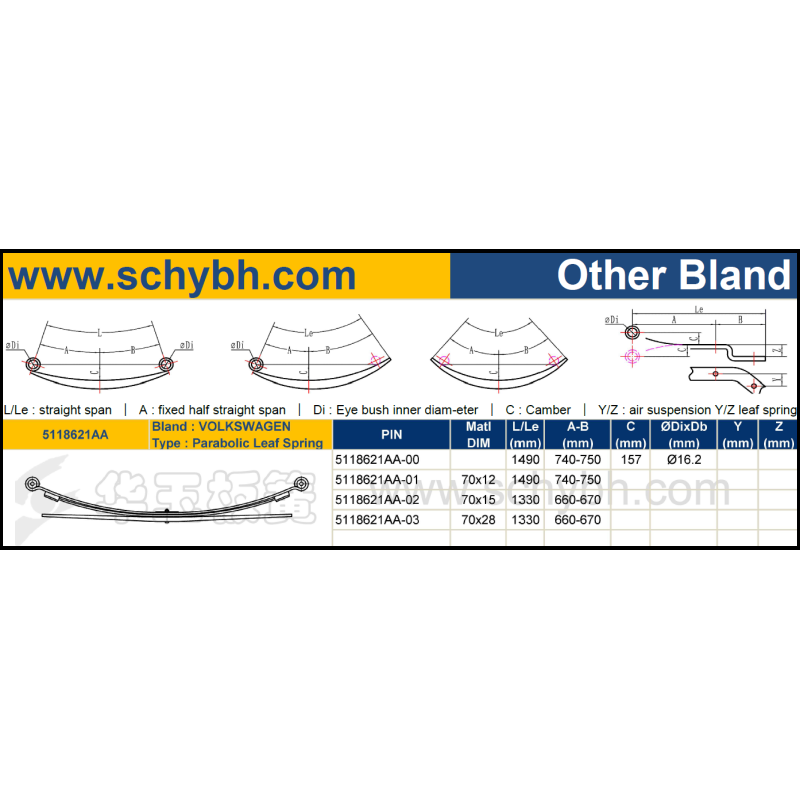
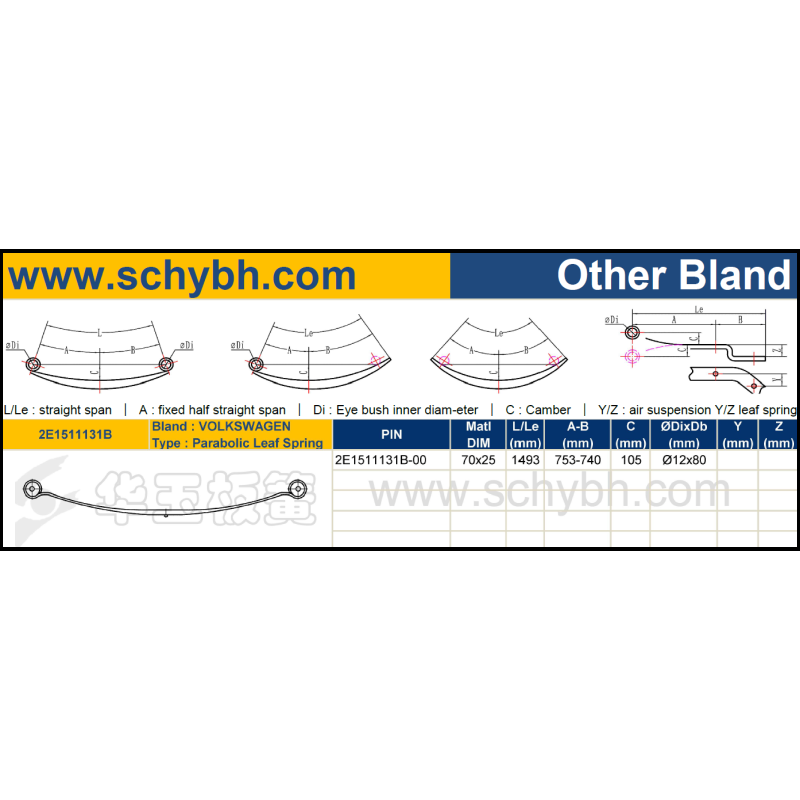
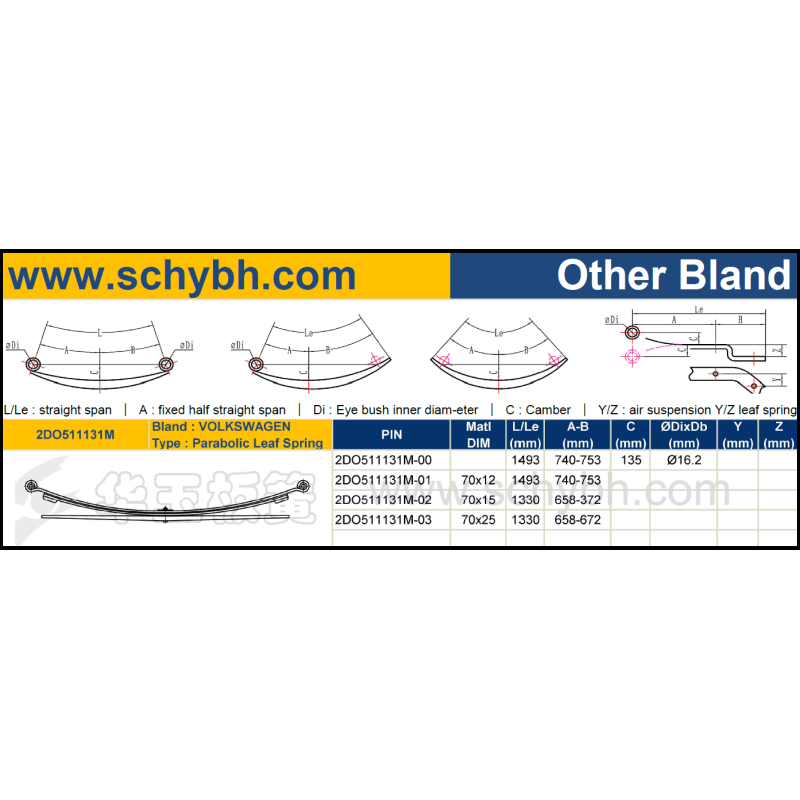
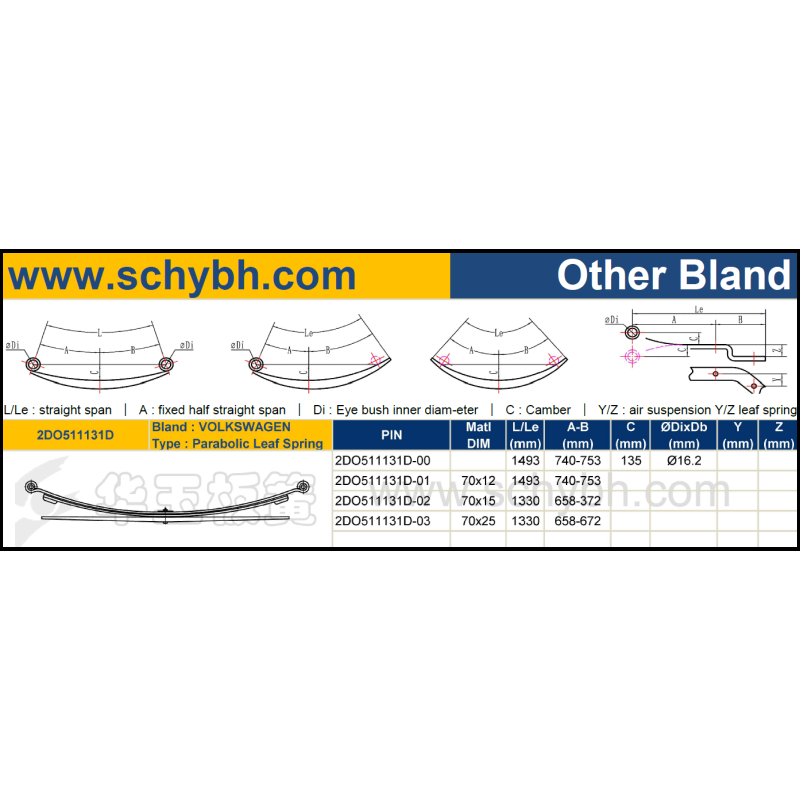
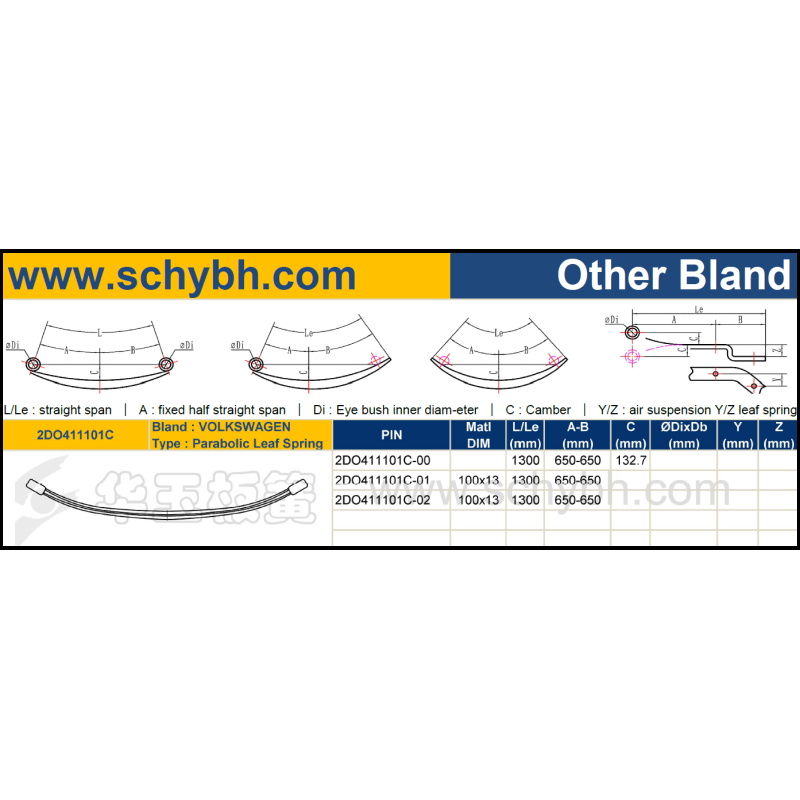
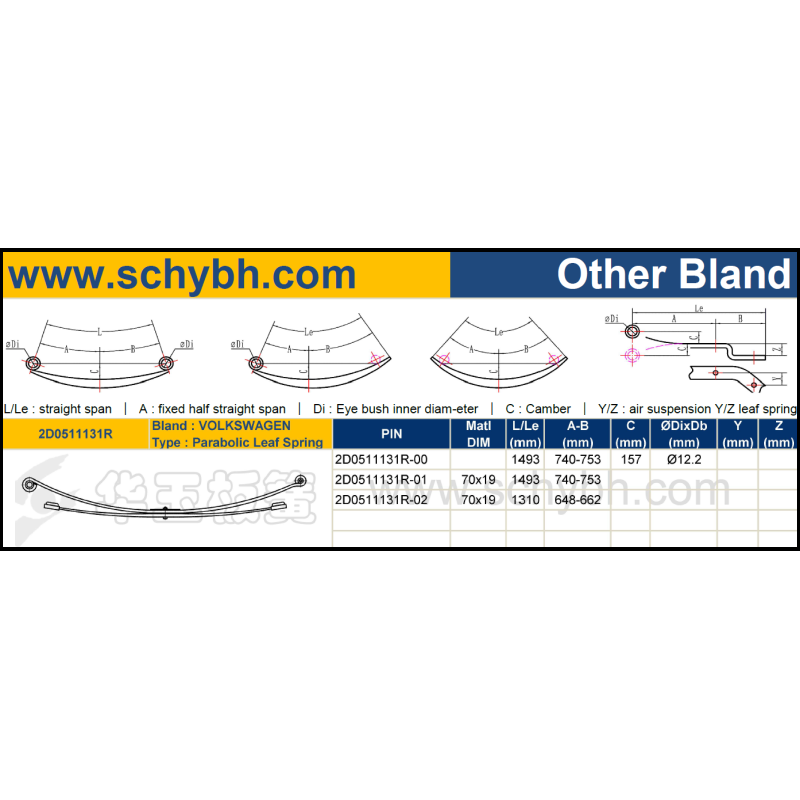
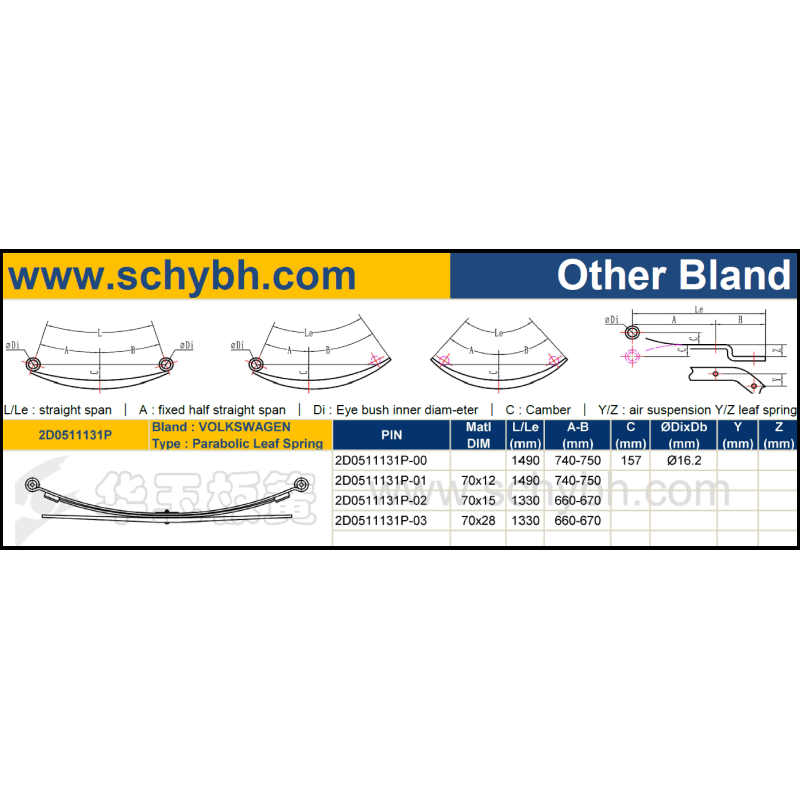
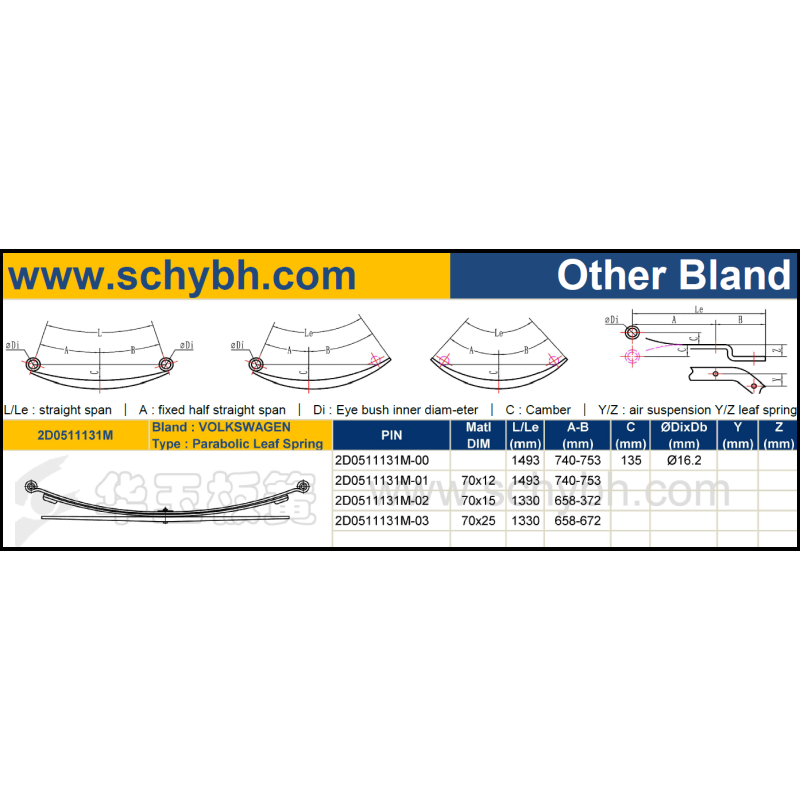
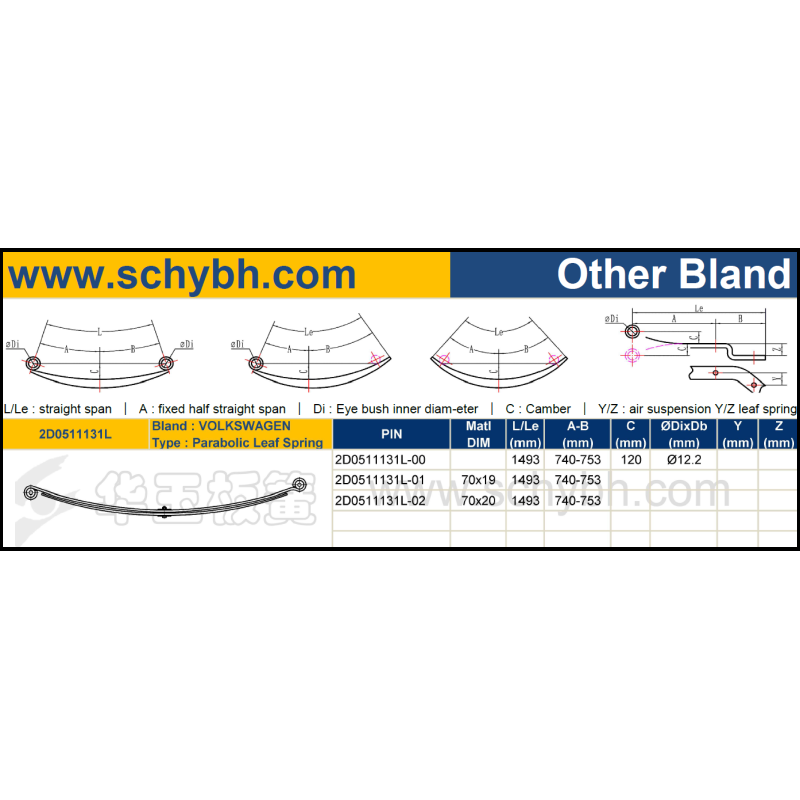
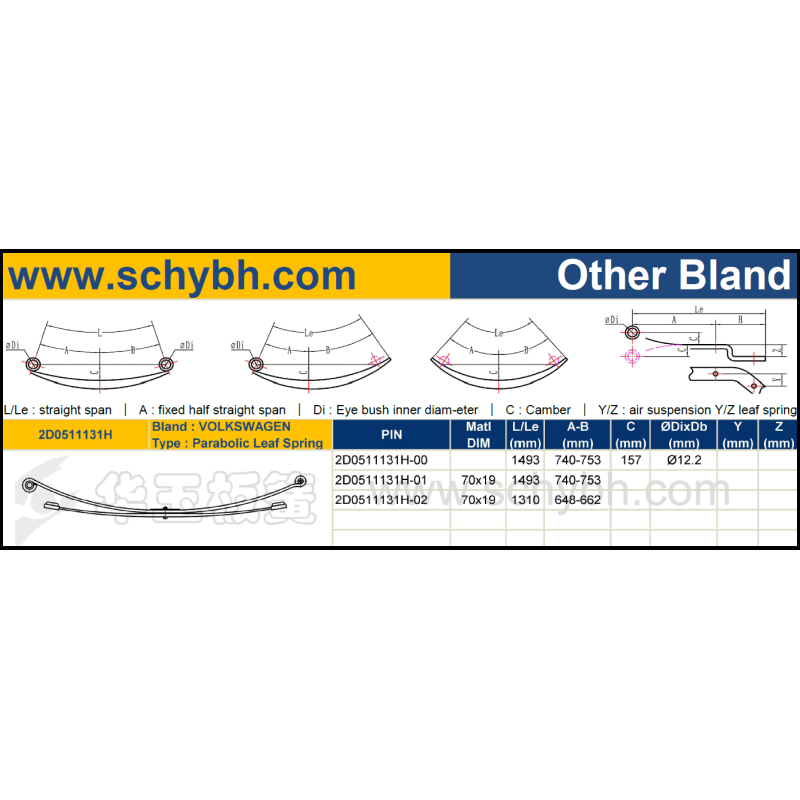
Leaf Springs are a key component of your vehicle’s suspension system. They keep the vehicle from collapsing under its own weight and ensure a smooth ride on bumps and ruts. One of the leaf springs they regularly use in automobiles is referred to as parabolic leaf spring.
Multiple layers of steel that appear similar to an elongated curved leaf make up a parabolic leaf spring. These sheets are placed together one on top of the other and clamped with the help of a bolt placed in the center. The shape (curved) of the parabolic leaf spring causes it to flex when the vehicle rides over a bump. This contributes to shock absorption and a more comfortable ride.
Use Of Parabolic Leaf Springs In Vehicles- Advantages And Disadvantages. There are several advantages of parabolic leaf springs in vehicles. One principal advantage is that they are lighter and more flexible than conventional leaf springs. This may provide for better handling of the vehicle and fuel efficiency. This also means that HUAYU parabolic leaf spring are less prone to sagging or flattening over time, allowing for improved support and a better ride over a longer life.
To maintain a good performance of your car's parabolic leaf springs, you must frequently inspect them for wear and tear. If you notice any cracks, damage, or rust on the leaf springs, you’ll need to replace them right away. You should also have a mechanic inspect your leaf springs occasionally to ensure they're in perfect shape.
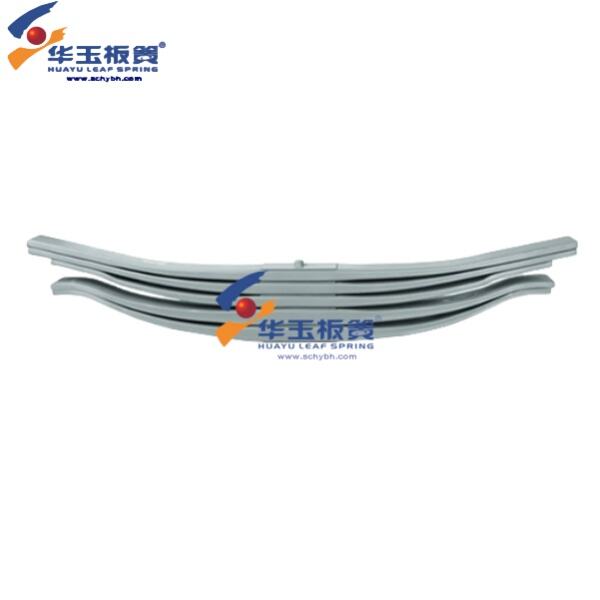
Parabolic leaf spring from HUAYU offers several advantages over conventional leaf spring. The primary difference is the shape. Earliest leaf springs were flat and firm which can often result in the bumpy and uncomfortable ride. In contrast, leaf springs are parabolicly curved, this shape making them more flexibility, easy and light to bend. The passengers will now have a more comfortable ride.
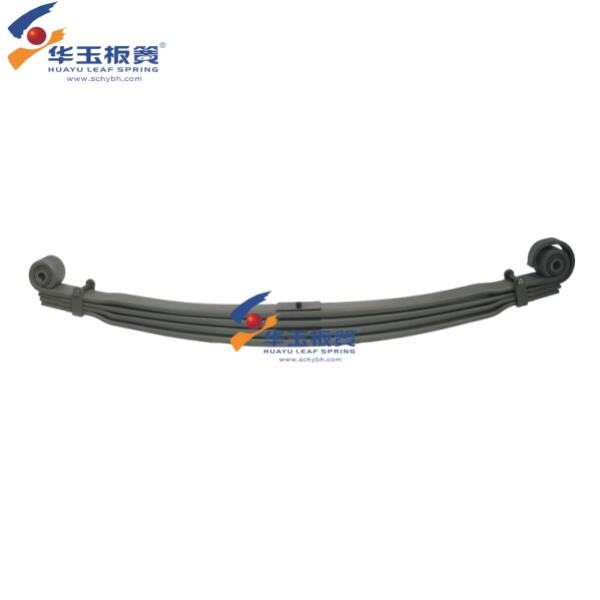
There is a weight savings to parabolic leaf springs as well. The parabolic leaf springs are also lighter and more flexible than standard leaf springs, which can provide benefits for handling and fuel efficiency. This is particularly crucial for large vehicles like trucks and buses that every pound can affect performance.
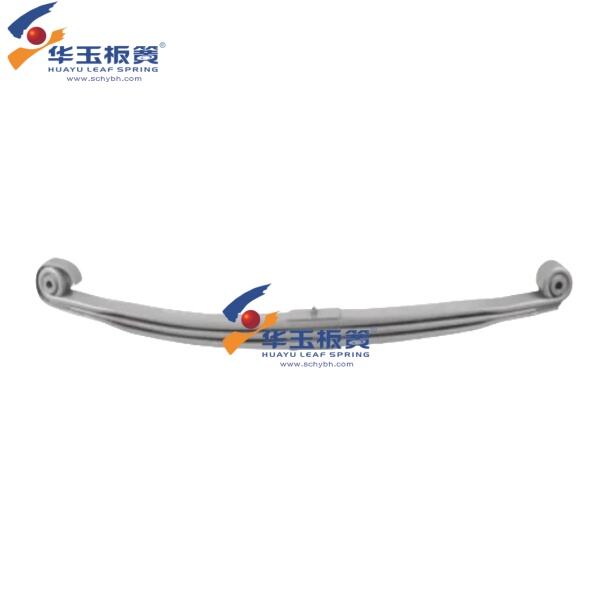
The history of leaf springs at a glance HUAYU Parabolic leaf springs are an old idea by automotive standards. The parabolic springs were solid from metal and very stiff, meaning a hard ride. With advances in technology, a variety of materials and designs were utilized to construct leaf springs that were lighter, more supple and stronger.
Parabolic leaf spring continuously strive to improve the management of our plants and also, while we seek certifications like IATF16949 ISO14001, and ISO 45001, we are also committed to continuous technological innovation and superior technology in order to provide top-quality customer service to each and every person across the globe.
We buy high-quality raw and auxiliary components, undergoing an exact quality-control Parabolic leaf spring using the latest production techniques and an extensive examination means total quality control and supervision, to ensure that our springs meet or exceed expectations of customers in terms quality, size, and performance.
Today, the company has a total annual production capacity of around 30000 tons that will provide ample supply capability. Committed to become a top ODM, OEM and end customer service provider, our professional team Parabolic leaf spring to the principle of "customer first" and responds promptly within 72 hours to address any customer requirements.
We have more than 30 years expertise in the manufacturing of various kinds of leaf springs and air springs. When you need leaf springs to support Parabolic leaf spring trucks or light trucks, or trailers we have the ideal match here.

Copyright © Sichuan Huayu Vehicle leaf Spring Co.,Ltd. All Rights Reserved
 ONLINE
 EN
EN