
 EN
EN


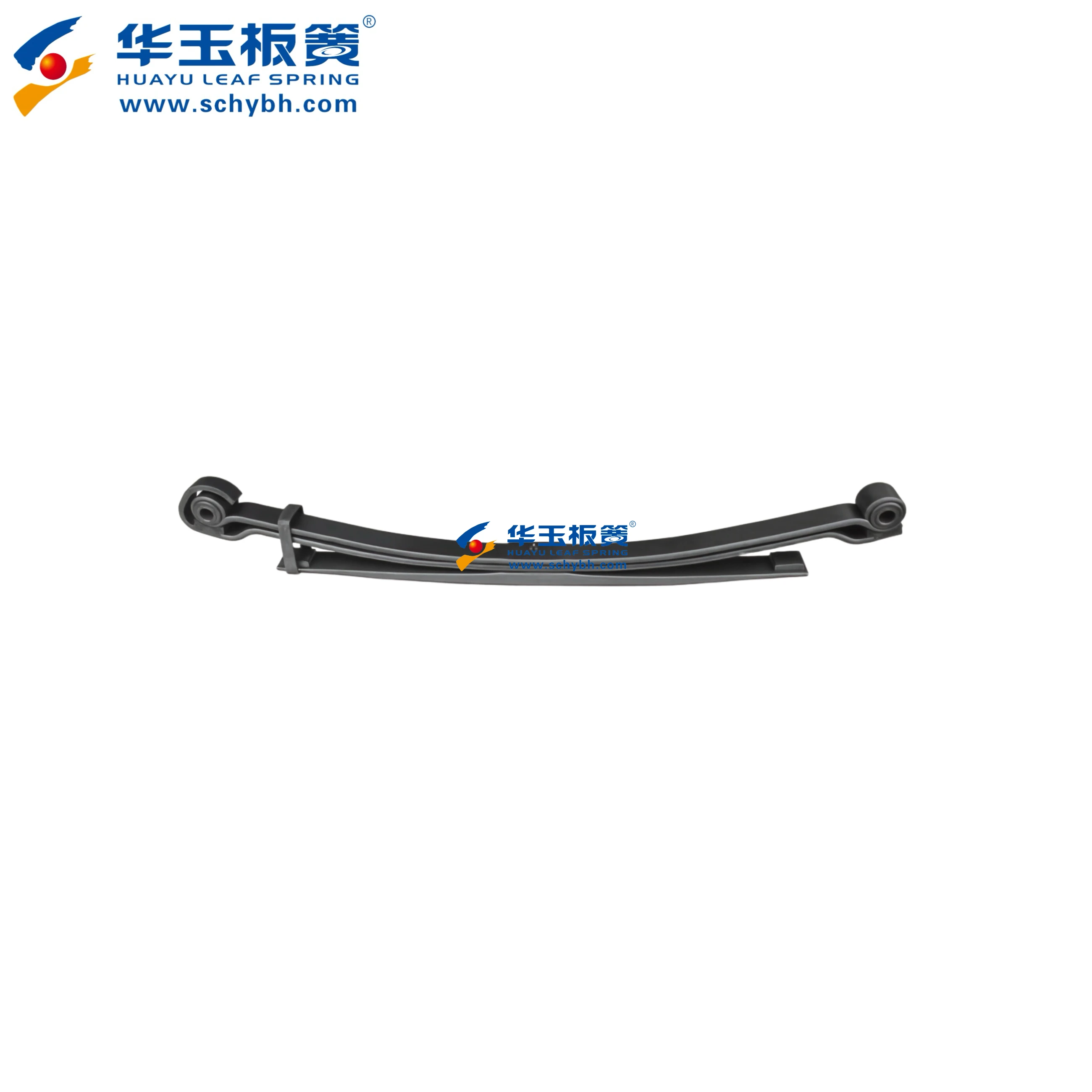
Tá gluaisteáin, go háirithe gluaisteáin móra maraon le miontraicí agus bhusanna, ag brath go mór ar spriongaí lár. Tacaíonn na spriongaí seo le bonn an ghluaisteáin agus coimeádann siad an staidiúlacht ar an mbóthar. Fiú amháin sin, is féidir le spriongaí lár a bhriseadh i gcás áirithe. D’fhéadfadh sé sin a bheith ina fhadhb thar a bheith trom i rith tiomána. Is tábhachtach go bhfuil a fhios ag foilsitheoirí miontraicí, ag bainistírí foirne agus ag tiománaithe cad a chuireann isteach ar spriongaí lár. Is féidir linn gluaisteáin a choinneáil ag oibriú go sábháilte agus go héifeachtach trí thuiscint a fháil ar na príomhchúiseanna a chuireann isteach ar shpriongaí lár agus ar conas iad a sheachaint. Ag HUAYU, táimid anseo chun cabhrú le taisceadh a ardú maidir leis na fadhbanna seo agus le fadhbanna eile a d’fhéadfadh a bheith ann do thiománaithe – ionas gur féidir leo na céimeanna cearta a ghlacadh chun iad a sheachaint.
Cad iad na 7 chúis coitianta a chuireann isteach ar shpriongaí lár i ngluaisteáin tráchtála?
Is é an chéad chúis a chuireann isteach ar shpriongaí lár ná an rús. Cuireann an rús an iarann i mbun. D’fhéadfadh spriong lár a bhíonn rúscach go leor a bhriseadh. Tarlaíonn sé seo go minic ar bhóithre a chuirtear salann orthu sa gheimhreadh. Fadhb eile ná an t-ullmhú ró-mhór ar mhiontraic. sprochán scuab ní féidir leis an mbunús é a mheas ar tháirgeadh na load, is féidir leis bualadh nó briseadh. Is féidir é seo a sheachaint le taispeántais reatha cothabhála. An chéad chúis eile ná stailc neamhchuí. Má shuiteáiltear spriongaí scuabtha go mícheart, is féidir leo briseadh. Tá sé ríthábhachtach go ndéanfar an t-ullmhú ag daoine a oibríonn de réir na gceanglann ceart. Tá cásanna eile ann freisin ina dtarlaíonn briseadh mar gheall ar chuidigh a theipeann nó a theipeann le haimsir. Mar shampla, is féidir le spriongaí laghdú mar gheall ar úsáid agus le haimsir (go háirithe má tá sprionga á úsáid aige ó bhlianta i gcónaí). Agus tá an bóthar go mór i gcionn an chúis freisin. Is féidir le bóithre corracha, neamhchothrom a bheith ina ndíobháil ar spriongaí scuabtha agus a dtarraingt orthu. Cúis eile ná an t-oiléadú; is é an dearcadh nach bhfuil oiléadú ann. Ní mór oil a bheith ar na scuabanna chun dul thar a chéile go héasca. Gan oiléadú oiriúnach, díobhálann siad níos tapúla. Ar deireadh, is féidir teocht a bheith ina fhadhb mhór. Is féidir teocht ró-mhór ón mbracaigh agus/agus ón inneall freisin spriongaí a scriosadh. D’fhéadfadh aon cheann de na cúiseanna seo a bheith ina chúis le briseadh mura dtugtar aird orthu, agus is féidir an t-eolas seo a bheith ina chuid den slándáil do ghluaisteáin tráchtála.
Conas Fadhbanna an Sprionga Duilleoga a Bhronnadh Sula mBíonn Briseadh Ann
Is féidir le haghaidh fadhbanna ar shpriongaí duilleoga a bhrath go luath cabhrú le tiománaigh an t-urchar mór a sheachaint. Is é an t-úsáid rialta a thabhairt ar an spriongaí an príomhchúis. Molannar do thiománaigh seiceáil ar aon shiombailí ciorcaid nó crackanna. Má fheiceann tú ciorcad nó crackanna sa mhiotal, d’fhéadfá smaoineamh ar shocrú na spriongaí. Tá sé freisin luachmhar éisteacht le haon ghuth iontach. Má tá do shpriongaí duilleoga ag déanamh gutha nuair a thiocfaidh tú, léiríonn sé sin go bhfuil rud éigin mícheart. Is mian leat freisin a bheith ag breathnú ar an gcineál freagra a thugann an carr ar do chuid ionchuir mar thiománaí. Má tá an calaíocht reatha tar éis dul ina gcothrom nó gan aon chothrom, is féidir go bhfuil na spriongaí briste. Tá sé go dona freisin aird a thabhairt ar úsáid neamhchothrom na dtiomáin mar léiríonn sé fadhbanna leis na spriongaí duilleoga. Nuair a thosaíonn na tiomáin ag feiceáil iontacha, tá an t-am ann chun breathnú a dhéanamh ar na spriongaí. Agus, ar deireadh, ba chóir don tiománaí a bheith ag breathnú ar an gcineál rialú a dhéanann an gluaisteán má tá sé ag scuabadh nó ag bheith neamhshlán, is féidir go bhfuil fadhb ann. Cuimhnigh: cuirtear an fhadhb níos luaithe a fháil amach, is éascaí í a réiteach agus is sláintiúlaí a bheidh iad siúd atá ar bord. Ag HUAYU, tuigimid cé chomh tábhachtach is atá an tseiceáil agus d’fhéadfadh sé do shaol agus saol na dtiománaí a shábháil. Cabhróidh an t-úsáid seo le fadhbanna móra a sheachaint ina dhiaidh sin.
Cúiseanna Coitianta Damáiste do Spriongaí na n-Eachtraí i bhFógraí Sléibhe
Is é an t-achar scuabtha (leaf springs) comhpháirt thábhachtach de roinnt gluaisteáin, mar shampla cairde agus go leor cineálacha móra de ghluaisteáin fhoirne. Tugann siad cuid den bhrú a chuireann an ghluaisteán orthu agus cabhraíonn siad le himpleabhadh slánuaird. Ach le himeacht ama, is féidir le hachairí scuabtha damáiste a fháil nó a theipeadh. Ní mór d’iarrthóirí a bhfuil freagracht ar fhoireann ghluaisteán a thuiscint conas is féidir leo damáiste a sheachaint ar acharí scuabtha ionas go mbeidh a gcarranna sábháilte agus go leanfaidh siad ag oibriú go maith. Cúis damáiste ar acharí scuabtha: Is é an t-uchta breise (overloading) an príomhchúis atá taobh thiar de theip ar acharí scuabtha. Nuair a uchtáiltear carr ró-mhór, is féidir go mbunófar rósheasmhailt ar na hachairí scuabtha. Chun seo a sheachaint, tá sé riachtanach go ndéanfaidh do bainistí ar fhoireann cinntiú go dtógann an ghluaisteán an t-ucht a shonraíodh an monaróir. Seiceáil an t-ucht go minic chun tosaíocht ró-mhór a sheachaint. Is é an dara fhadhb ná an t-iasc agus an caor. Is féidir le hachairí scuabtha caor a fháil ó thuartháil le huisce, salann nó ceimicigh. Chun seo a sheachaint, ní mór na hachairí scuabtha a ghlánadh go rialta agus cothrom de shábháilteoir a chur orthu. Caithfidh tiomántóirí freisin a bheith oiliúnta faoi bharúil an ríscte a bhaineann le buaileadh le cnocáin, le púitíní agus le heileamhanna bóthair eile ró-laghdha nuair a bhíonn lucht á iompar, mar is féidir leis sin damáiste a dhéanamh ar acharí scuabtha. Is féidir na fadhbanna seo a sheachaint trí oiliúint a thabhairt do thiomántóirí chun tiomáint go sábháilte agus go freagrach. Cúis eile le briseadh ar acharí scuabtha ná an t-oiliúint mícheart. Tá inspéicteanna miniceacha riachtanach chun crackanna, scoiltí nó fadhbanna eile a aimsiú. Ba cheart do bainistí ar fhoireann a chinntiú go ndéanfaidh oibrítheora a gcarranna inspéacht ar na hachairí scuabtha de réir mar a shonraítear. Ba cheart aon acharí scuabtha a bhfuil caor orthu nó a bhfuil briste acu a athsholáthar. Ar deireadh, is féidir le hinstiúil mícheart fadhb a bheith freisin. Ní féidir mé a mhíniú go leor cé chomh tábhachtach is é go ndéanfar acharí scuabtha a instiúil ag daoine a bhfuil eolas acu ar an obair atá i gceist. Trí na próisis seo a leanúint, is féidir le bainistí ar fhoireann cabhrú le damáiste a sheachaint ar acharí scuabtha agus a chinntiú go bhfuil a gcarranna i mbaol oibriúcháin maith.
Tábhacht an t-ullmhú agus an t-ionspéacht rialta ar shpriongaí na mbarr
Cosúil le haon chuid eile den bhailiúchán, sprioc faoin n-ár teastaíonn mainteannáil rialta chun faoi bhun an fhadhbh a choinneáil. Ní léir go dtí gach duine go bhfuil rud éigin mar shpriongaí duilleoga ann, gan labhairt ar bheith ag eolas ar cad a chiallaíonn iad a choinneáil i mbaol. Tá sé riachtanach freisin iad a sheiceáil go rialta. Ní mór do bainistíri fliota iad a sheiceáil go minic le haghaidh comharthaí úsaide mhóire. Iarmhairt air sin ná cuardach a dhéanamh ar chraiceáin nó ar aon ghránaigh. Má tá aon fhadhb ann, caithfear iad a chóiriú láithreach. Is cuid eile de na hoibre mainteannála atá le déanamh an t-ullmhú spriongaí duilleoga. Déanann spriongaí duilleoga tirim gutha a thabhairt agus is féidir go mbíonn siad in úsáid níos luaithe. Cabhraíonn an t-ullmhú ceart leniú iad ag obair go slán. Tá athruithe rialta ar an ullmhú tionchar mór ar shaol na spriongaí. De réir treoracha HUAYU maidir le h-ullmhú, is é sin an t-indeacs a thugann le fios cé chomh minic is gá an greas a chur orthu. Caithfidh úsáideoirí freisin aird a thabhairt ar bholtanna na spriongaí duilleoga agus an bhfuil siad dian. Má tá na boltanna loiscthe, is féidir leis an tspriong a bheith ag bogadh agus ag úsáid níos mó le linn tiomáinteacht. Ar deireadh, is féidir an staid iomlán den ghluaisteán a leanúint. Mar shampla, is féidir lucht a bheith neamhchothromaithe nó a bheith míshuite le hathrú ar shábháilteacht na spriongaí duilleoga. Tá na fadhbhanna coitianta le tuaslagóirí beaga agus, fortúnta, is féidir iad a bhrath go luath le mainteannáil rialta. Trí sin a dhéanamh agus trí oibríochtaí eile, is féidir do bainistíri fliota saol na spriongaí duilleoga a mhéadú i mbaol a gcarranna, rud a choinníonn na gluaisteáin níos sábháilte agus a laghdaíonn an t-am nach bhfuil i gceart.
Na bearta is fearr le haghaidh cúraim a thabhairt do spriongaí duilleoga agus an saol úsáideach a fheabhsú
Ní gá go mbeidh cúram a thabhairt do shpriongaí duilleoga deacair. Tá líon mór leideanna maidir le cúram a thabhairt ann ar féidir le bainistíirí fliota iad a úsáid chun a spriongaí duilleoga a chothabháil. Déan iniomhaíocht ar an mbuailt a bhíonn ar an bhfearann mar chuid de na próisídirí rutúnacha i gcónaí. Cuirfidh sé seo cosc ar bhuaileadh ró-mhór agus ar strus ró-mhór a chur ar na spriongaí. Ní mór duit a bheith aithne agat ar na teorainn meáchan a molann HUAYU chun buaileadh ceart a bhaint amach. Ansin, is fearr an t-achar faoin gcarraig a scuabadh go rialta. Cabhróidh an salann, an salann agus an rud éigin eile a ghlanadh le himníocht a sheachaint ó thagann sí ar shpriongaí duilleoga. Ba chóir do bainistíirí fliota glanadh rialta a eagrú tar éis an tsamhraidh, go háirithe má tá an carr curtha ar bhóithre gearra. Molann Biglow freisin loga cúram a úsáid don charr. Is féidir leis an taifid sin a bheith ina áit a dtugtar an t-am deireanach a rinneadh iniomhaíocht ar shpriongaí duilleoga, a ndearnadh iad a oiliúint nó a n-athsholáthairtí. Ceadaíonn sé seo do bainistírí an méid ama a dtógann a sprioc cluaisín tá i mbaint acu agus nuair a bheadh sé am maith leis an seirbhís a dhéanamh arís. Má tá sé riachtanach, ná héagóraí an cabhrú a fháil ó shaineolaí freisin. Má bhíonn comharthaí rabhaidh le feiceáil ag na bainistí, molfaidh siad cuairt a thabhairt ar oifig deontais iontaofa. Is féidir linn a bheith in ann beagán rudaí a fheiceáil sula dtimpeallann siad go mór. Ar deireadh, oiliúint gach tiománaí chun tiomáint go sábháilte i gcónaí. Beidh orainn fós a bheith cúramach faoi conas a thiompánann siad thar bhuaillí agus pollaí sa bhóthar chun nach n-athraíonn siad an brú breise ar na spriongaí líonra. Trí na prionsabail is fearr seo a leanúint, is féidir le bainistí na mbusanna na spriongaí líonra a choimeád níos fearr, ag cur le haghaidh gluaisteáin níos sábháilte agus níos éifeachtaí ar an mbóthar.
Clár na nÁbhar
- Cad iad na 7 chúis coitianta a chuireann isteach ar shpriongaí lár i ngluaisteáin tráchtála?
- Conas Fadhbanna an Sprionga Duilleoga a Bhronnadh Sula mBíonn Briseadh Ann
- Cúiseanna Coitianta Damáiste do Spriongaí na n-Eachtraí i bhFógraí Sléibhe
- Tábhacht an t-ullmhú agus an t-ionspéacht rialta ar shpriongaí na mbarr
- Na bearta is fearr le haghaidh cúraim a thabhairt do spriongaí duilleoga agus an saol úsáideach a fheabhsú

 ARLÍNE